Honey Balsamic Glaze for Roasted Vegetables
Highlighted under: Lean & Light Cooking
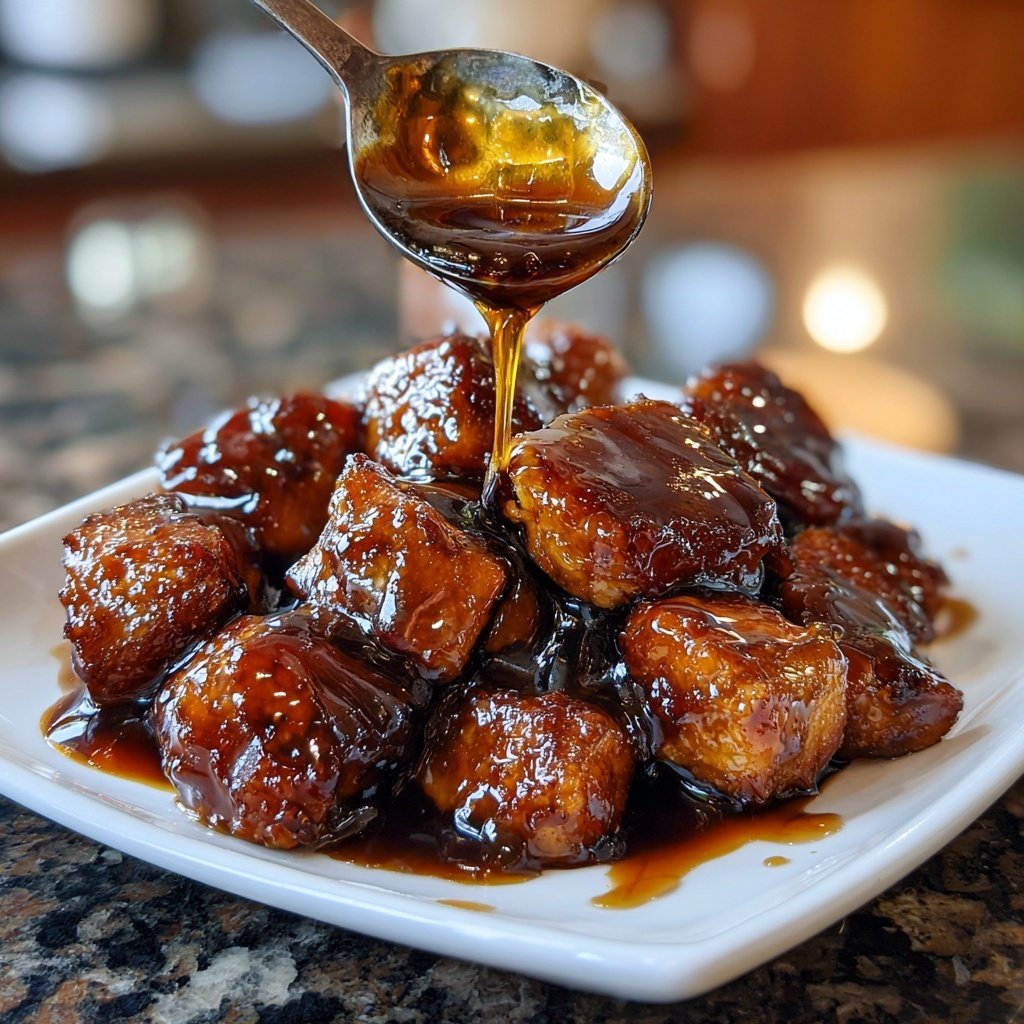
Elevate your roasted vegetables with this sweet and tangy Honey Balsamic Glaze. Perfect for drizzling over any seasonal veggies, this glaze brings out the natural sweetness and flavor of your vegetables.

This Honey Balsamic Glaze is a versatile and flavorful addition to your kitchen. It's quick to make and enhances any dish with its rich flavor profile.
Why You'll Love This Recipe
- A perfect balance of sweetness and acidity
- Quick and easy to prepare with minimal ingredients
- Enhances the flavor of any vegetable dish
The Perfect Pairing for Seasonal Vegetables
This Honey Balsamic Glaze is a versatile addition to your culinary repertoire, especially when it comes to enhancing the flavors of seasonal vegetables. Whether you’re roasting carrots, Brussels sprouts, or sweet potatoes, this glaze provides a delightful contrast that elevates each bite. The natural sweetness of honey complements the earthy tones of roasted vegetables while the balsamic vinegar adds a tangy depth that invigorates the dish.
When incorporating this glaze into your meals, consider the seasonality of your ingredients. In spring, fresh asparagus and radishes shine with a light drizzle, while in autumn, root vegetables like parsnips and squash bask beautifully in the sticky sweetness. This adaptability not only allows for creative cooking but also encourages you to explore a variety of flavors throughout the year.
A Simple Glaze to Enhance Any Meal
The beauty of this Honey Balsamic Glaze lies in its simplicity. With just four basic ingredients, it's a breeze to whip up, making it an excellent choice for busy weeknights or last-minute gatherings. The combination of honey and balsamic vinegar is not only delicious but also creates a stunning visual appeal when drizzled over vibrant roasted vegetables, turning an ordinary side dish into a centerpiece.
Moreover, this glaze can be used in a variety of ways beyond just roasted vegetables. Try drizzling it over grilled meats for an extra layer of flavor or using it as a marinade for tofu or tempeh. Its versatility makes it a must-have in your kitchen, ready to enhance any dish with its sweet and tangy profile.
Tips for Perfecting Your Glaze
To achieve the ideal consistency for your Honey Balsamic Glaze, pay close attention to the simmering time. Allowing the mixture to simmer for about five minutes not only thickens the glaze but also melds the flavors together beautifully. If you prefer a thicker glaze, feel free to simmer it a bit longer, but be cautious not to let it burn. Stirring occasionally will help prevent any sticking or scorching.
Additionally, taste is key! After removing the glaze from heat, adjust the seasoning to your liking. A pinch of salt can enhance the sweetness, while a dash more balsamic vinegar can increase the acidity. Experiment with these adjustments to create a glaze that perfectly suits your palate and complements your vegetable medley.
Ingredients
Gather these simple ingredients to create your glaze:
Ingredients
- 1/2 cup honey
- 1/4 cup balsamic vinegar
- 1 tablespoon Dijon mustard
- Salt and pepper to taste
Ensure all ingredients are fresh for the best flavor.
Instructions
Follow these easy steps to make your Honey Balsamic Glaze:
Combine Ingredients
In a small saucepan, combine honey, balsamic vinegar, and Dijon mustard.
Heat the Mixture
Place the saucepan over medium heat and stir until the mixture comes to a gentle simmer.
Thicken the Glaze
Allow the glaze to simmer for about 5 minutes, stirring occasionally, until it thickens slightly.
Season
Remove from heat and season with salt and pepper to taste.
Cool and Serve
Let the glaze cool before drizzling it over your roasted vegetables.
Enjoy your deliciously glazed roasted vegetables!
Pro Tips
- For an added depth of flavor, consider adding minced garlic or fresh herbs to the glaze while it simmers.
Storing Your Glaze
Once you've made your Honey Balsamic Glaze, you may find yourself with a bit left over. Great news! This glaze can be stored in an airtight container in the refrigerator for up to two weeks. The flavors will continue to meld and deepen as it sits, making it even more delectable when you reach for it later.
When you're ready to use the stored glaze, simply reheat it gently on the stovetop or in the microwave. If it has thickened too much in the fridge, a splash of water can help bring it back to your desired consistency. This makes it easy to enjoy your homemade glaze multiple times throughout the week.
Serving Suggestions
This Honey Balsamic Glaze is not just for roasted vegetables! Consider drizzling it over salads for an added layer of flavor. It pairs beautifully with mixed greens, goat cheese, and nuts, creating a balanced dish that’s perfect for a light lunch or dinner. You can also use it as a dipping sauce for fresh bread or as a glaze for grilled fruits like peaches and pineapples.
For a complete meal, try combining your glazed vegetables with protein sources such as grilled chicken, fish, or plant-based proteins like chickpeas. This not only rounds out the meal but also makes for a visually appealing plate that’s sure to impress family and guests alike.
Nutritional Benefits
In addition to enhancing the flavor of your dishes, this Honey Balsamic Glaze offers several nutritional benefits. Honey is a natural sweetener that contains antioxidants and can provide a quick energy boost. Balsamic vinegar, on the other hand, is known for its potential health benefits, including aiding digestion and helping to regulate blood sugar levels.
When paired with a variety of colorful vegetables, you're not only treating your taste buds but also nourishing your body. Roasted vegetables are packed with vitamins, minerals, and fiber, making them a fantastic choice for any meal. By using this glaze, you’ll encourage more vegetable consumption, which is always a win in the pursuit of a balanced diet.
Questions About Recipes
→ Can I make this glaze in advance?
Yes, you can prepare the glaze ahead of time and store it in an airtight container in the refrigerator for up to a week.
→ What vegetables pair well with this glaze?
This glaze is fantastic with a variety of vegetables including Brussels sprouts, carrots, and sweet potatoes.
→ Can I use maple syrup instead of honey?
Absolutely! Maple syrup is a great substitute for honey if you're looking for a vegan option.
→ How should I store any leftover glaze?
Store any leftover glaze in a sealed jar in the refrigerator. Reheat gently before using.
Honey Balsamic Glaze for Roasted Vegetables
Created by: The Tinastastyrecipes Team
Recipe Type: Lean & Light Cooking
Skill Level: Easy
Final Quantity: Makes about 1 cup
What You'll Need
Ingredients
- 1/2 cup honey
- 1/4 cup balsamic vinegar
- 1 tablespoon Dijon mustard
- Salt and pepper to taste
How-To Steps
In a small saucepan, combine honey, balsamic vinegar, and Dijon mustard.
Place the saucepan over medium heat and stir until the mixture comes to a gentle simmer.
Allow the glaze to simmer for about 5 minutes, stirring occasionally, until it thickens slightly.
Remove from heat and season with salt and pepper to taste.
Let the glaze cool before drizzling it over your roasted vegetables.
Extra Tips
- For an added depth of flavor, consider adding minced garlic or fresh herbs to the glaze while it simmers.
Nutritional Breakdown (Per Serving)
- Calories: 120 kcal
- Total Fat: 0g
- Saturated Fat: 0g
- Cholesterol: 0mg
- Sodium: 5mg
- Total Carbohydrates: 32g
- Dietary Fiber: 0g
- Sugars: 30g
- Protein: 0g